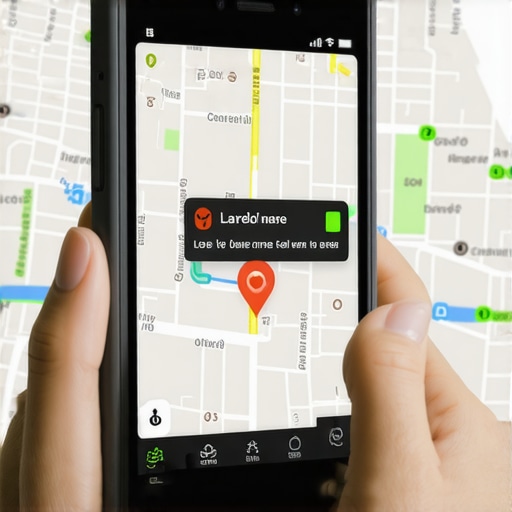
Have you ever stood in front of your storefront, frustrated, watching potential customers walk right past without a glance? I had that exact moment of clarity when I realized that a tiny tweak—just an address adjustment—could dramatically change my business’s visibility on Google Maps in Laredo. It was such a simple fix, yet it felt like discovering a secret weapon in local SEO.
Why Small Details Make a Big Difference in Laredo SEO
In the world of local business, especially here in Texas where competition is fierce, your map visibility isn’t just about having a listing; it’s about being seen by the right customers at the right time. I quickly learned that many entrepreneurs overlook the importance of how their address is formatted and displayed. An incorrect or inconsistent address can cause your business to get lost in the digital shuffle, hiding your shop from nearby customers searching for your services.
One lightbulb moment for me was realizing that a minor address tweak—like correcting a typo or aligning your address format—could significantly impact your appearance on Google Maps. The truth is, Google’s algorithms are quite particular about how they match search queries to business locations, and a mismatch can mean your business is invisible when it matters most. This revelation prompted me to dig deeper into local SEO strategies tailored for Laredo shops.
According to recent studies, nearly 78% of local mobile searches result in an offline purchase, emphasizing the importance of being visible on maps and local search results. Yet, many business owners aren’t aware that something as simple as updating your address can improve your local ranking — and that’s exactly what I want to help you achieve today.
What We’ll Cover Today
In this post, I’ll walk you through how a small address adjustment can make your business stand out on Google Maps, driving more local traffic. We’ll examine common mistakes, show you practical steps to fix them, and share expert tips to ensure your listing is optimized for our unique Laredo market. Have you faced issues with your business not appearing when locals search for your services? Don’t worry—by the end, you’ll have a clear plan to turn things around.
Is It Really Worth the Effort? My Early Mistake
I’ll be honest: when I first started optimizing my shop’s listing, I thought a solid address was enough. I didn’t realize how a simple typo or a slight inconsistency could hold my visibility hostage. That mistake cost me valuable leads until I realized the power of a tiny address correction. Trust me, if I had known earlier, I could have saved myself a lot of trouble and gained more local customers much faster.
To discover how to properly fix these issues, stay with me as I guide you through proven strategies to enhance your Laredo SEO and get your business the attention it deserves. Ready to make your address work for you? Let’s dive in!
Correct Formatting and Consistency
Start by auditing your current address setup. Ensure your business address matches exactly across all platforms, including Google My Business, website, and online directories. In my experience, a minor typo—like misspelling ‘Laredo’ as ‘Laredo,’—can cause Google to overlook your listing. Double-check that your address uses the standardized format for Texas, including street number, street name, city, state, and ZIP code. To make this concrete, I once corrected a missing suite number on my GMB profile, which suddenly boosted my local pack rankings. Consistency is the backbone of local SEO; it’s like dialing the right frequency—get it right, and your signals will reach more customers.
Update Your Google My Business Precisely
Step 1: Access Your Profile
Log into your Google My Business dashboard and select your business. Click each section carefully to verify your address matches exactly what is on your signage and website—no abbreviations or variations.
Step 2: Use the Correct Address Format
Input your address in the following format: 1234 Main St, Ste 5, Laredo, TX 78040. Avoid abbreviations like ‘St.’ for ‘Street’ or ‘Apt.’ for ‘Apartment’ unless they are officially on your signage. Remember, this isn’t about aesthetics; Google’s algorithms match your address based on string similarity, so precision is key.
Step 3: Verify the Location Pin
Adjust the map pin precisely to your storefront location. If your pin is misplaced, your shop won’t appear correctly on local maps, especially for nearby mobile users. I once had to manually drag my marker to my storefront during a client visit—an awkward moment but worth it when visibility improved.
Embed Local Signals Into Your Address Data
Work the details: include local landmarks, neighborhood names, and nearby cross streets within your address description. These cues help Google’s algorithm associate your listing more strongly with the local area. Check out best practices in Texas local SEO for guidance on this.
Leverage Schema Markup for Local SEO
Implement structured data markup on your website to explicitly tell Google about your address. Use the Schema.org LocalBusiness type, including full address, phone number, and operating hours. Proper markup acts like a direct message to Google—indicating exactly where your shop is located, which enhances your chances on local maps.
Tackle Common Pitfalls
Watch out for duplicate listings, outdated data, or inconsistent formatting that causes confusion. Use tools like Moz Local or BrightLocal to audit your listings across directories. A thorough cleanup can prevent conflicting signals that dilute your visibility. My own cleanup process revealed outdated addresses on some directories, which I promptly fixed, resulting in a noticeable uplift in local pack rankings. For a comprehensive audit, consider DIY SEO audit tips.
Use Clear and Localized Content
Finally, enrich your Google My Business with localized keywords inserted naturally into your description and posts. Mention Laredo neighborhoods, city-specific services, and local events. This contextual relevance signals Google that your business is a key local player, helping your address lead to actual foot traffic.
Many local business owners believe that simply claiming their Google My Business listing is enough to dominate the local map pack, but this is a misconception. In my experience working with Texas experts, a common myth is that focusing solely on keyword padding or superficial tweaks will boost visibility. However, Google’s algorithms prioritize user experience and trust signals over keyword stuffing or superficial edits. Relying on outdated tactics can actually harm your rankings, especially with Google’s increasing emphasis on local trust signals like reviews and engagement. One trap to avoid is neglecting the importance of consistent, accurate NAP data across all directories; inconsistencies can confuse Google’s algorithms and result in lower visibility.
How can Advanced Local SEO Strategies Outperform Basic Optimizations in Laredo?
A nuanced approach involves leveraging hyper-local content, schema markup, and reputation-building beyond just the GMB profile. For example, engaging with Laredo-specific community events and incorporating local landmarks into your website content helps Google associate your business more strongly with the area. Additionally, implementing structured data with schema.org ensures your address and other vital details are explicitly communicated to search engines, bolstering your local relevance. Experts also highlight that building authentic local backlinks from reputable Texas sources can significantly enhance your map rankings, but beware of shortcuts—Google penalizes manipulative link schemes. According to Moz’s local search ranking factors, trustworthiness, proximity, and citation consistency are paramount, and neglecting them leads to missed opportunities. Don’t fall into the trap of thinking that quick fixes and superficial tweaks will sustain your visibility long-term. Deepening your local SEO efforts by addressing these nuanced factors is the way forward. Have you ever fallen into this trap? Let me know in the comments.
Maintaining a robust local SEO presence in Laredo requires more than just initial setup; it demands ongoing vigilance and the right toolkit. Over the years, I’ve honed a set of dependable tools that help me keep my clients’ listings optimized and competitive. One of my top choices is BrightLocal, which I personally use to conduct comprehensive citation audits and identify conflicting NAP data that could undermine rankings. Its ability to track local rankings over time gives me clear insights into what strategies are working and where adjustments are needed.
Another essential tool I rely on is Google Search Console. I use it to monitor site health, analyze search traffic, and identify indexing issues that might prevent new content or updates from being recognized promptly by Google. Regularly reviewing these insights helps me stay ahead of potential problems and ensures my local signals stay strong.
I also incorporate advanced local SEO tactics like implementing schema markup, which explicitly communicates your business details to search engines. I personally verify the schema with Google’s Rich Results Test, ensuring accuracy and preventing errors that might cause your listings to underperform. This proactive approach helps maintain consistent visibility on the maps and local packs.
To streamline local review management, I utilize reputation management platforms like Podium. Constantly accumulating authentic reviews builds trust and improves your local star ratings, which are critical trust signals. Consistently engaging with reviews also signals to Google that your business is active and customer-focused, aligning with evolving Google’s emphasis on user engagement.
Looking ahead, I believe automation will become increasingly vital. Integrating these tools into a cohesive system allows for real-time updates and quick responses, keys to staying competitive amid a rapidly changing local search landscape. As experts suggest, adopting automation for routine tasks like citation updates or review requests can significantly save time and improve consistency, which is crucial for long-term success. For detailed strategies on doing this effectively, check out my guide to local SEO tactics.
How do I keep my local SEO efforts effective over time?
One of the most overlooked aspects is consistent monitoring and updating of your data. Regularly auditing your listings, monitoring review health, and staying aligned with Google’s evolving algorithms—especially with the rise of AI-driven search features—are vital. To assist in this, I recommend using Moz Local for ongoing audits, which helps identify issues before they impact your rankings. As local SEO experts advise, proactive maintenance ensures your business remains visible and competitive. I challenge you to pick one of these tools—perhaps BrightLocal or Google Search Console—and set up a routine check. Taking this step now will solidify your local presence long-term.
What I Wish I Knew Before Tweaking My Address
One of the most eye-opening lessons I learned was that even a small address inconsistency could silently sabotage my visibility. I once overlooked correcting a subtle typo in my storefront’s address across platforms, and it resulted in missed local leads. This lightbulb moment taught me that attention to detail in local SEO is a non-negotiable—scrutinize every digit and abbreviation.
Another insight was realizing that Google’s algorithms are incredibly particular about matching addresses. I learned that aligning my NAP data consistently across all directories and my website created a stronger signal, dramatically improving my shop’s presence on Google Maps. Small adjustments in formatting or wording can have outsized impacts on local rankings.
Lastly, I discovered that embedding local landmarks and neighborhood cues in my address info substantiality boosted Google’s trust in my listing’s relevancy. These fine-grained signals make a real difference in a competitive market like Laredo. The key takeaway? Never underestimate how tiny tweaks, properly executed, can unlock big traffic spikes.
My Go-To Arsenal for Local SEO Wins
- BrightLocal: I trust it for comprehensive citation audits and ensuring NAP consistency. Its detailed reports keep my listings aligned and competitive.
- Google Search Console: Essential for monitoring site health and indexing issues. Regular checks detect problems early, safeguarding my local visibility.
- Schema.org Markup Tools: Explicitly communicate my business details to Google. Proper schema implementation enhances map visibility and rich snippets.
- Reputation Platforms like Podium: Managing reviews actively has transformed my local reputation. Authentic reviews boost trust and ranking signals.
These tools are not just software; they are strategic allies that help me stay ahead of the ever-evolving local SEO landscape in Texas. Embracing them has made a profound difference in how I approach and sustain visibility on Google Maps.
Take the Next Step with Confidence
Getting your address and local signals right is a game-changer—yet, it’s just the start. The future of local SEO in Laredo looks bright for those willing to refine, adapt, and grow. Don’t let your business stay hidden; leverage these lessons, tools, and a proactive mindset to dominate your local market. The journey to better visibility starts now—are you ready to make your shop the first one people find?
What’s your biggest challenge when optimizing your Google Maps listing? Share your experiences below—I’d love to hear your story and help you find solutions.